Disclaimer: This page contains some affiliate links that might just lead you to the promised land of awesomeness (or at least some cool products). I may receive commissions for purchases made through links in this post.
"Speculation is the name given to a failed investment, and investment is the name given to a successful speculation."
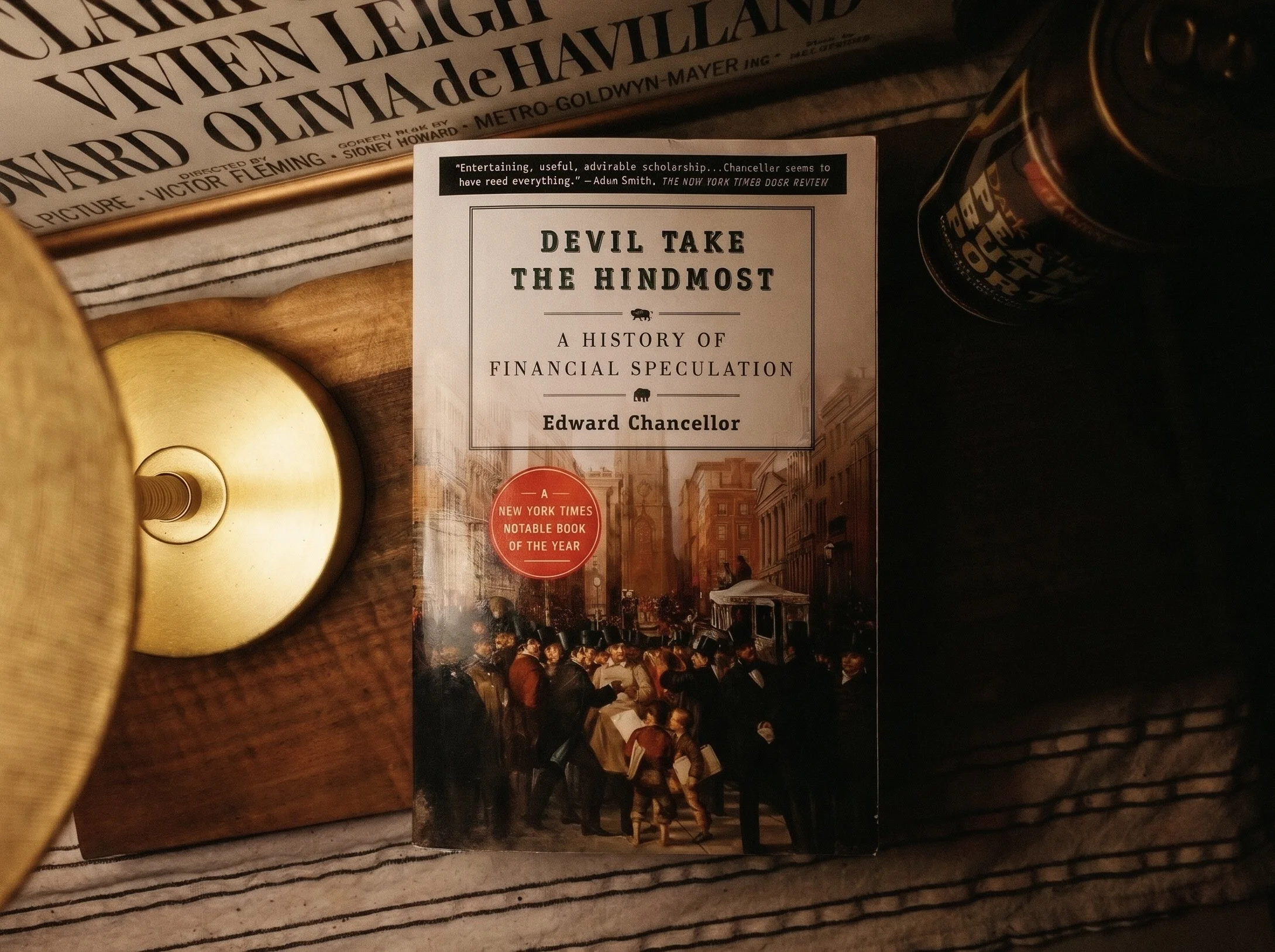
That line comes from the introduction of Devil Take the Hindmost by Edward Chancellor, which I recently started reading and highly recommend. In a nutshell, the book covers the history of financial speculation, including some of the most famous bubbles, manias, and market crashes of all time.
Before getting into any of those, though, Chancellor spends some time on a very important question: what's the difference between speculating and investing? Long story short, the key difference comes down to two things: time horizon, and what each person is actually paying attention to.
Starting with the speculator, he isn't attached to anything he owns. His money is fluid, and he'll buy or sell any asset depending on where he thinks the mood of the market is headed.
The speculator’s time horizon is short, because his profit depends less on what the asset actually produces and more on how other people will feel about it in the near future.
The investor, on the other hand, doesn't care much about the market's mood, because he knows how swingy it is. Instead, he's focused on what his assets can produce and grow into over their whole life, which may last longer than his own.
Since he prioritizes returns that come from the asset itself and not from other people's opinions of it, he has no reason to trade in and out every time the psychology of the market changes. Unlike the speculator, his investments are more or less fixed.
This idea ties back to something Daniel Peris, author of The Ownership Dividend, talks about a lot: the difference between contingent returns and cash returns.
Share price appreciation, for example, is a contingent return because it depends on what the market does. In the short term especially, the market is driven in a big way by its own psychology, not by how the businesses are actually performing (think Ben Graham's voting machine vs. weighing machine).
Since these returns only show up if the market's mood works in your favor, they're inherently speculative. And realizing those returns is contingent on you selling your shares, which adds another layer to this, but that's a conversation for another day.
Cash returns (AKA dividends) are the opposite. They're paid out of a business's actual earnings and cash flow, so they tend to be much more predictable. They don't depend on what anyone else thinks the stock is worth, and you don't have to sell your shares to realize that return.
Despite these seemingly easy-to-understand differences, Chancellor writes that "the line separating speculation from investment is so thin" that the outcome usually ends up determining the label.
As an example, if the share price of a hot new IPO with no profits and a mountain of debt were to skyrocket, it'd be easy to call it a great investment. If the share price went the other way, though, it'd be easy to dismiss it as an unfortunate speculation. A gamble, if you will.
In my opinion, though, the line isn't actually that hard to find. You can tell whether you're an investor or a speculator before you know the outcome, based on whether you're focused on the business’s operations or how the market’s feeling at any given moment.
It's pretty simple. Just ask yourself: if the share price never moved again, would I still be happy owning this stock?
If the answer is yes because of the cash the business pays you today and is expected to pay you in the future, that's investing. If the answer is no, because your end game was selling to someone else at a higher price, that's speculating, whether it works out or not.
To be fair to both sides, neither one guarantees a good outcome. But only one of them puts your focus on the business itself instead of the mood of the crowd.
With that said, I'd love to hear from you: which stock/stocks in your portfolio would you still be happy to own if the share price never moved again? Write to me here and let me know.
Dividend Investing Democratized
Join thousands of savvy investors in the pursuit of early retirement. Get Retire With Ryne delivered straight to your inbox every week as you build your perpetually growing, cash-flowing dividend stock portfolio.
IN MY PORTFOLIO 📈
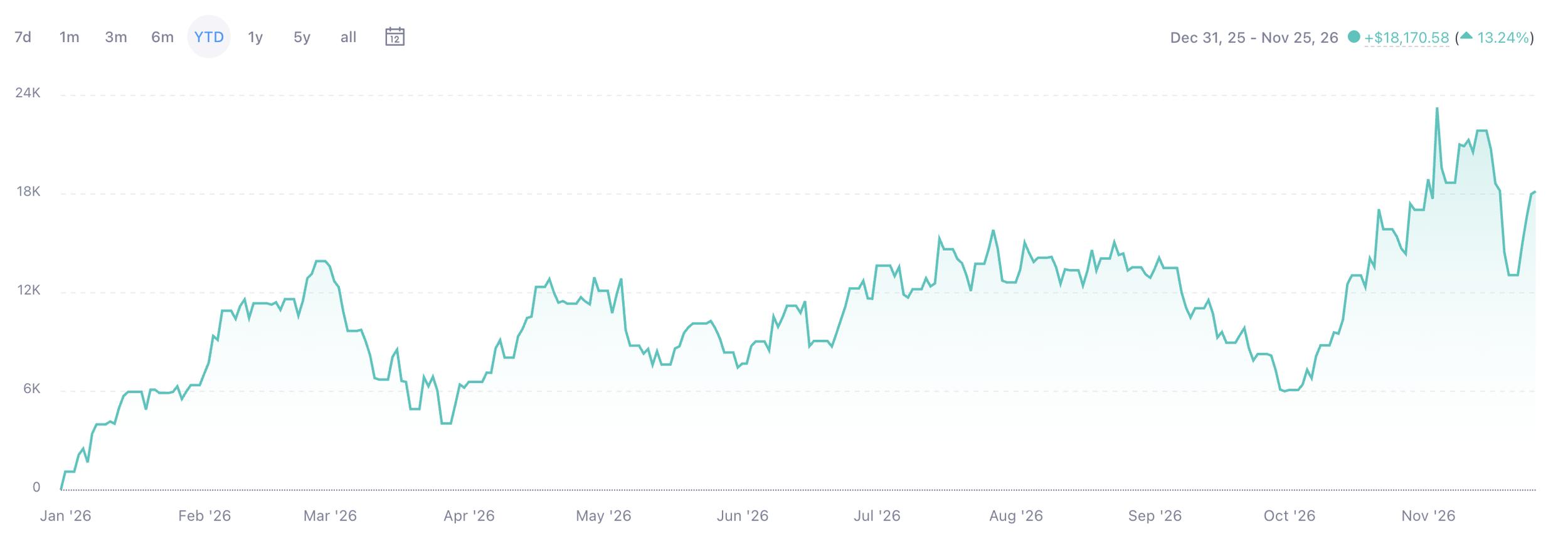
See my full portfolio with all of my holdings, trades, and dividends on Snowball Analytics! Plus, use code "rynewilliams" at checkout to get 10% off your subscription.
ICYMI 🎥
Living Off Dividends Is Really This Simple
Living off dividends isn’t complicated, but that doesn’t mean it’s easy. In my latest video, I break down the simple, repeatable process I’m following to get there.
CAREFULLY CURATED 🔍
📺 A Million-Dollar Safety Net - GenEx Dividend Investor breaks down his brand-new, $1 million line of credit backed by his dividend portfolio.
🎧 Built to Last - In this episode of The Art of Quality podcast, Eric Markowitz shares what the world's oldest companies can teach us about longevity, and why the ones that actually last optimize for quality rather than astronomical growth.
📚 Keeping Score - Total return is all that matters (apparently), but Daniel Peris argues that the system is outdated. He makes the case for separating the cash returns you actually receive (dividends) from the contingent gains and losses that only exist on paper (share price returns).
SINCE YOU ASKED 💬
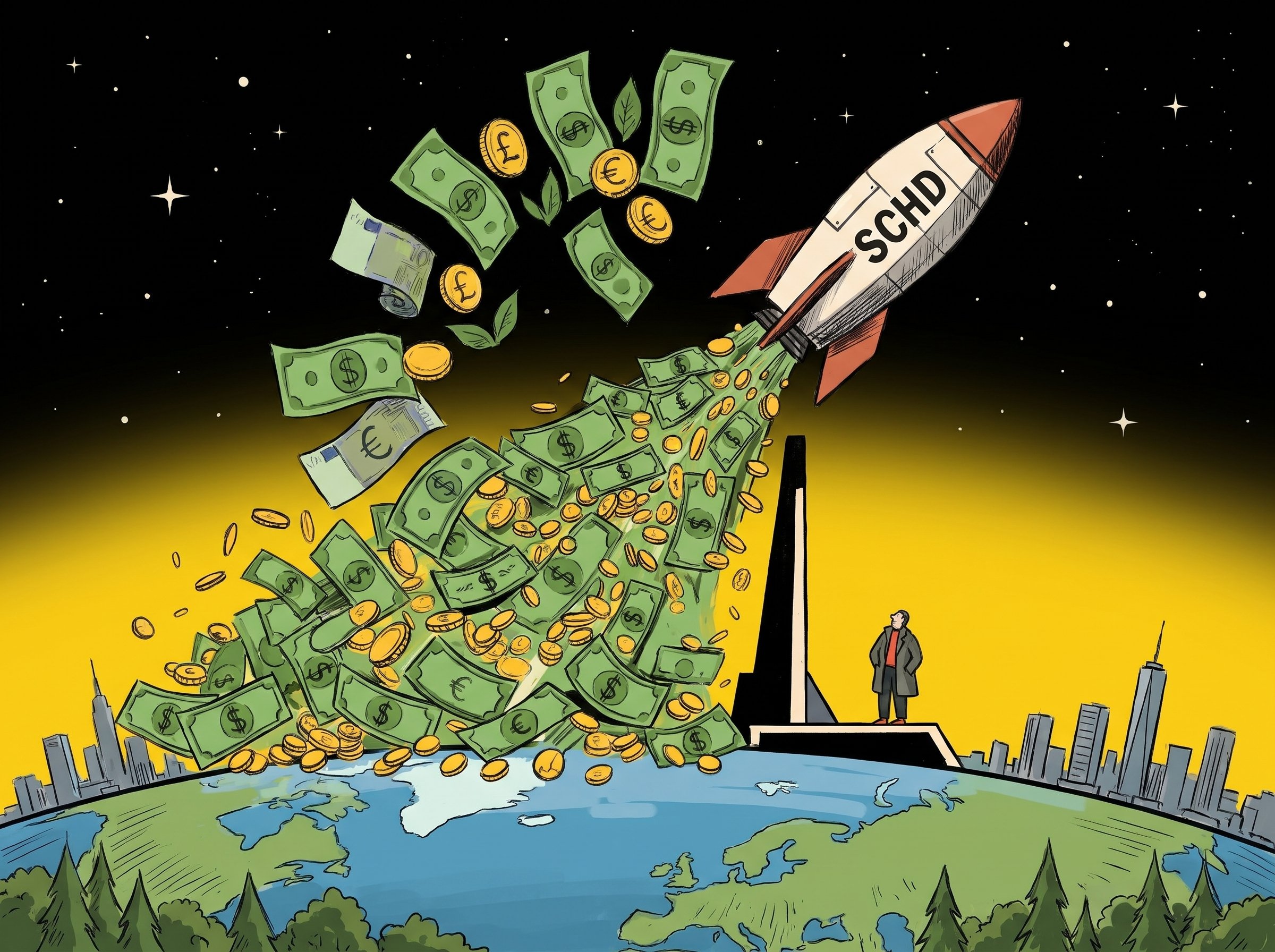
“Is it normal to want to sell your SCHD? I realize it’s a long-term hold, but it’s up so much that it’s tempting.”
- Ian | YouTube
Honestly, I've never had that feeling myself. SCHD has been nothing but good to me as an investment, and I've never really been tempted to sell it.
Still, I can understand why you might feel this way. When any investment runs up that much, it's natural to want to lock in some of those gains. I think it all comes back to why you own SCHD in the first place, though.
Did you invest in it hoping it would go up so you could realize your profits? Or did you invest in it for the growing stream of income it can deliver over a long period of time?
It can be a bit of both, of course. But I would be surprised if there's an SCHD investor out there who isn't buying it, first and foremost, for that growing income.
With that said, the share price appreciation isn't entirely separate from the income growth. Over the long run, dividend growth and share price appreciation tend to go hand in hand. It's not a linear relationship, but one doesn't really deviate from the other for too long.
It's possible that part of you is worried that the fund has run up so much that it could pull back from here. And maybe it will.
But let's say you sell out of your position now, reinvest the money somewhere else, and then SCHD drops. What do you do then? Start building your position again from scratch? Maybe pass on it for good?
Either way, you'll be stuck trying to time things, and I don't personally think that's the most ideal approach when it comes to ETFs. I talked a lot about that in this video here.
With individual stocks, it can make sense to be more thoughtful about when you buy. But with a diversified ETF like SCHD, you don't really need to time it.
You just hold onto it and keep adding to it over time. Once you start trying to trade in and out of it, you're overcomplicating something that was meant to be simple.
So all in all, it's completely normal to want to lock in some gains. But just remember why you bought it in the first place, and let that guide you on what to do next.
Have a question? Ask me here to see it featured in an upcoming newsletter.
LAST WORD 👋
I always love hearing from you, and I'm always looking for ways to make this newsletter better. So I'd love your honest feedback.
How am I doing? Is there anything you'd like to see more of, or less of? Which parts of the newsletter do you look forward to most each week?
Whether it's a topic you want me to dig into, a section you'd change, or something you just really enjoy, your thoughts go a long way in shaping what ends up in these newsletters every week.