Mr. Market Can’t Make Up His Mind
Disclaimer: This page contains some affiliate links that might just lead you to the promised land of awesomeness (or at least some cool products). I may receive commissions for purchases made through links in this post.
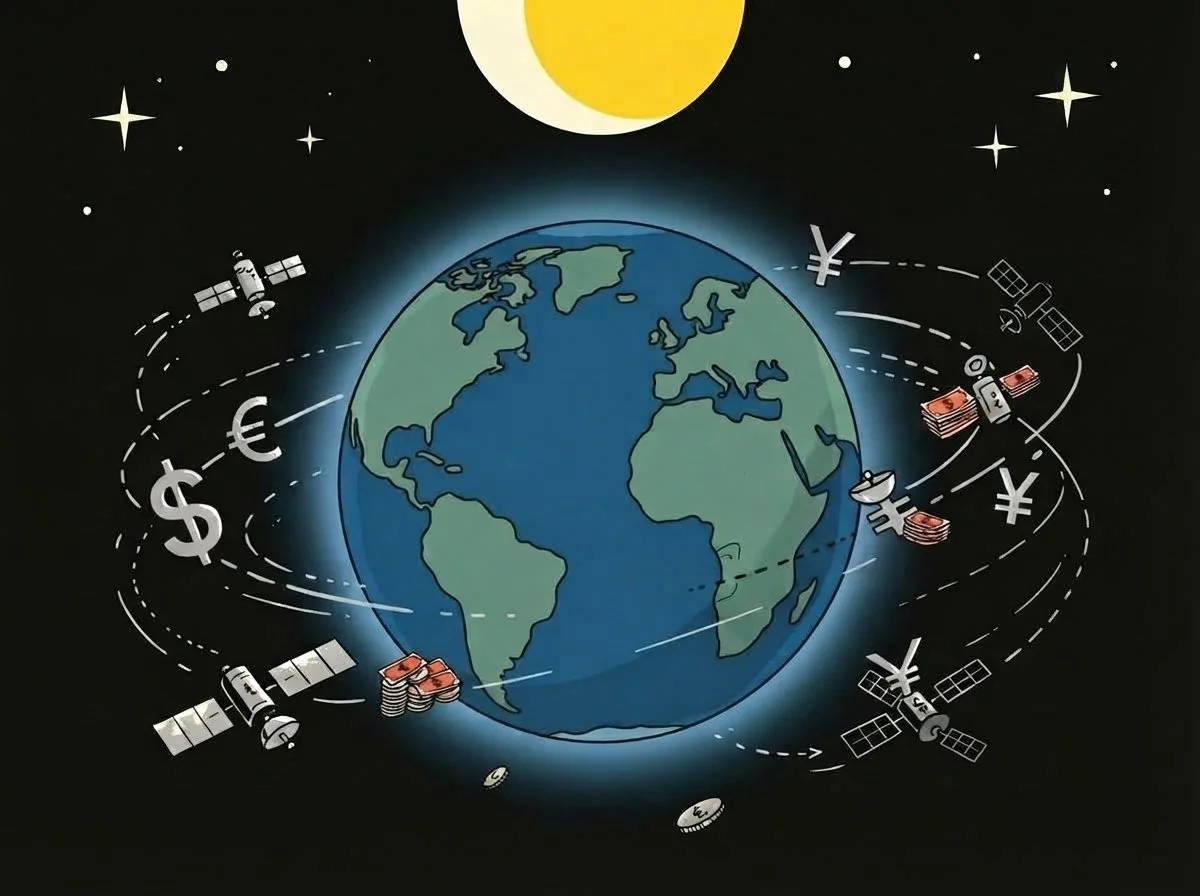
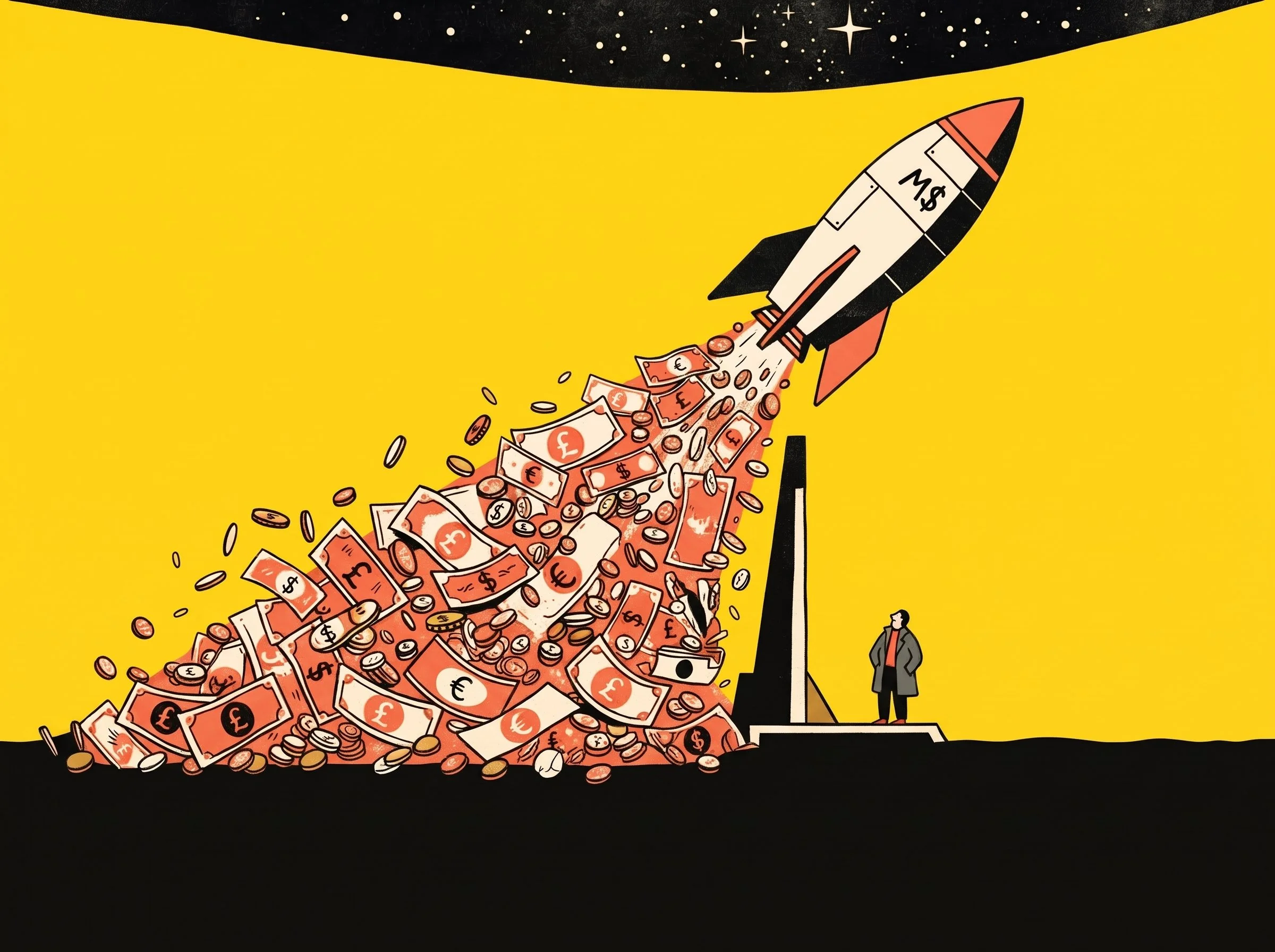
As of late, the market seems to have found itself in a seemingly never-ending game of tug-of-war.
One day, inflation is running hot. The next day, it’s not.
One day, tensions in the Middle East are pushing oil prices higher. The next day, things calm back down.
One day, growth stocks (more specifically, stocks related to tech, semiconductors, and AI) are soaring. The next day, investors are piling into more defensive positions.
There seem to be at least a few competing narratives all playing out at the same time, leaving investors, understandably, with a sense of whiplash (and probably a slight case of vertigo).
All of this begs the question: How do you navigate a market that can’t seem to make up its mind? From my perspective, there are two ways to go about it.
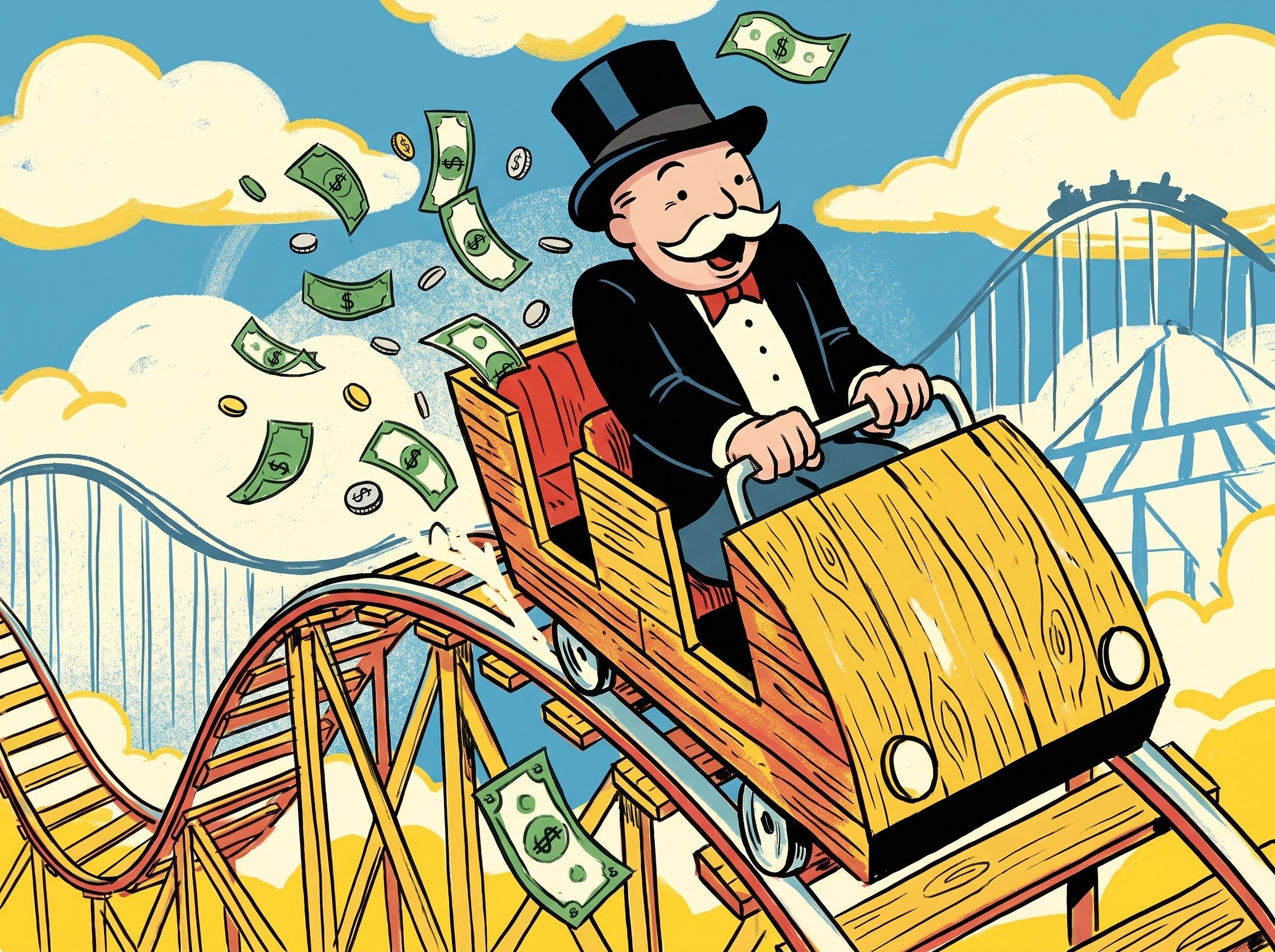
Before we get to those, though, let’s first remember who we’re dealing with here. The market, as famously portrayed by Ben Graham’s Mr. Market, is a manic madman. As Owen Wilson would say, he’s crazy as a road lizard.
Mr. Market is prone to extreme mood swings. Some days he is unrealistically optimistic, while others he is full of fear and pessimism. He just can’t help it.
In either case, when Mr. Market knocks on your door every day offering to either buy your stocks or sell you more of his, the prices he gives you rarely make much sense based on the actual fundamental performance of the business.
Plus, when all of these competing narratives are working in conjunction, Mr. Market’s mania tends to become even more amplified. And like I said a moment ago, as an investor in this situation, you have two options.
First, you can try playing to Mr. Market’s unpredictable mood and chase whichever narrative seems to be dominating on any given day.
Or your second option, which I think is preferable, is to tune out Mr. Market and stay focused on what matters. In other words, if the market seems to have no sense of direction, you have to follow your own direction.
Are the companies you own still growing their earnings and free cash flow? Are their balance sheets still strong? Are their dividends still well covered and continuing to grow?
Those are the questions that matter because, while share prices can swing dramatically from one day to the next, the businesses themselves usually aren’t changing as fast.
A company doesn’t suddenly become 3% better because its share price jumped 3% on Tuesday, nor does it become 3% worse because shares fell 3% on Wednesday. Oftentimes, nothing about the business has changed at all.
At the end of the day, Mr. Market can spin his wheels all he wants. So long as the businesses you own are still fundamentally strong, generating cash, and delivering a growing dividend, things should work out just fine in the long run.
Having said all of that, now I want to hear from you: What helps you tune out Mr. Market when he’s acting crazy? Write to me here and let me know.
Dividend Investing Democratized
Join thousands of savvy investors in the pursuit of early retirement. Get Retire With Ryne delivered straight to your inbox every week as you build your perpetually growing, cash-flowing dividend stock portfolio.
IN MY PORTFOLIO 📈
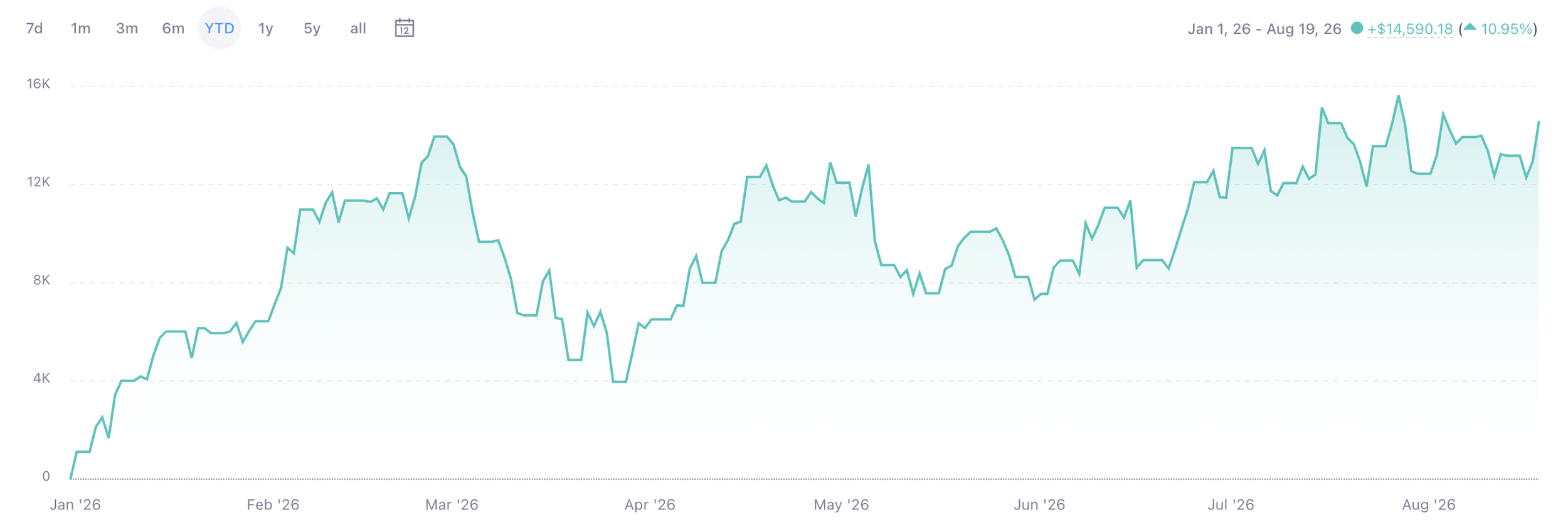
See my full portfolio with all of my holdings, trades, and dividends on Snowball Analytics! Plus, use code "rynewilliams" at checkout to get 10% off your subscription.
ICYMI 🎥
People are abusing Buy Now, Pay Later platforms and, in some cases, are using them to fund their entire lives, deferring payments on things like groceries and car insurance. It's insane!
CAREFULLY CURATED 🔍
📺 Know Your Dividends - This is a fantastic video by BudgetMoney explaining why there’s a lot more to a great dividend stock than just its yield.
🎧 Accidental Indexing - Diversification is great, but too much of a good thing can still be detrimental. This episode of the Investing For Beginners podcast breaks down where that line is and how many stocks is too many.
📚 The Identity Trap - D’Ieteren started out making horse-drawn carriages in 1805 and has reinvented itself multiple times since. Its 221-year history, as detailed by Eric Markowitz in this article, is an important lesson in why survival for such long periods sometimes requires completely reinventing what you do.
SINCE YOU ASKED 💬
"Do you ever get the itch to buy non-dividend-paying stocks? Just holding dividend stocks sounds boring."
- Salvatore | YouTube
I’ll be honest, very rarely do I ever get the itch to buy a stock that doesn’t pay a dividend.
There have been a couple of exceptions though. Every now and then, I’ll come across a non-dividend-paying company whose products I regularly use (like Spotify, for example) and think about investing in it. But ultimately, it goes against what I philosophically find important in an investment and what I want out of my investments.
At the end of the day, I hate the idea of having to part with an investment just to get any sort of benefit out of it. The last thing I want to do is spend decades building up my portfolio only to eventually start stripping away pieces of it to fund my lifestyle in retirement.
And sure, you could make the argument that I could buy non-dividend-paying stocks today and then convert them into dividend-paying stocks down the road when I’m ready to live off the income. That’s completely true.
But as someone who approaches ownership of a stock as ownership of a living, breathing business, I believe part of that relationship involves having a stake in the cash generation of that business. Not all of it, obviously, but some of it.
Philosophically, that’s what investing in stocks means to me: owning businesses that can appreciate in value while also delivering a steady stream of cash.
If you owned a laundromat, a local restaurant, or some other small business, you’d obviously care about what that business might be worth someday. But you’d likely be much more concerned about the cash it generates and how much of that cash you can ultimately utilize.
After all, that’s one of the main reasons you own the business in the first place, and I don’t think ownership of a publicly traded company should be treated all that differently.
In fact, I think the farther I get away from that philosophy, the easier it becomes for me to start treating the stock market like a casino. I want to avoid that mindset as much as I can, and investing in dividend-paying companies helps keep me on the straight and narrow.
Now, regarding dividend investing being boring, maybe it is. But to that, I’d say two things.
First, you have to invest in a way that fits your personal financial goals and your temperament. And that’s going to look different for everybody.
If exclusively owning dividend-paying stocks doesn’t completely align with what you’re trying to accomplish, or if it doesn’t keep you interested enough to stick with your strategy, that’s completely fine. Do what works for you.
Second, I think it’s worth remembering that investing being boring isn’t necessarily a bad thing. In fact, Mohnish Pabrai famously says that to be a good investor, you have to like watching paint dry.
In other words, investing should be a little boring. It shouldn’t be some thrill ride — it shouldn’t be a thing that gets your blood pumping, your heart racing, and your adrenaline going.
If that’s the bodily experience you’re looking for, you should plan a trip here to Las Vegas and spend some time at the roulette table. If you want to build wealth, you're better off staring at a wet wall.
Have a question? Ask me here to see it featured in an upcoming newsletter.
LAST WORD 👋
I love hearing from you all, and I'm always looking for feedback. How am I doing with the newsletter? Is there anything you'd like to see more or less of? Which aspects of the newsletter do you enjoy the most?
Your insights on these matters are essential in making this newsletter the best it can be. If you want to help, take a moment to share your thoughts by completing this quick form. It'll take you less than 60 seconds - guaranteed.
Thanks in advance!