
Disclaimer: This page contains some affiliate links that might just lead you to the promised land of awesomeness (or at least some cool products). I may receive commissions for purchases made through links in this post.
Earnings season is a time when investors should expect the unexpected. The market has been volatile as it is, but all bets are off during earnings season.
It's not uncommon to see stocks swing much more than usual in either direction, and sometimes those swings happen because of what seem like relatively minor developments. A good example of this, in my opinion, was Rollins' (ROL) earnings announcement yesterday after the market closed.
On the surface, the results actually looked pretty solid. Revenue grew 7.9% year-over-year, while EPS came in at $0.30, representing 3.4% growth. Not too shabby, right?
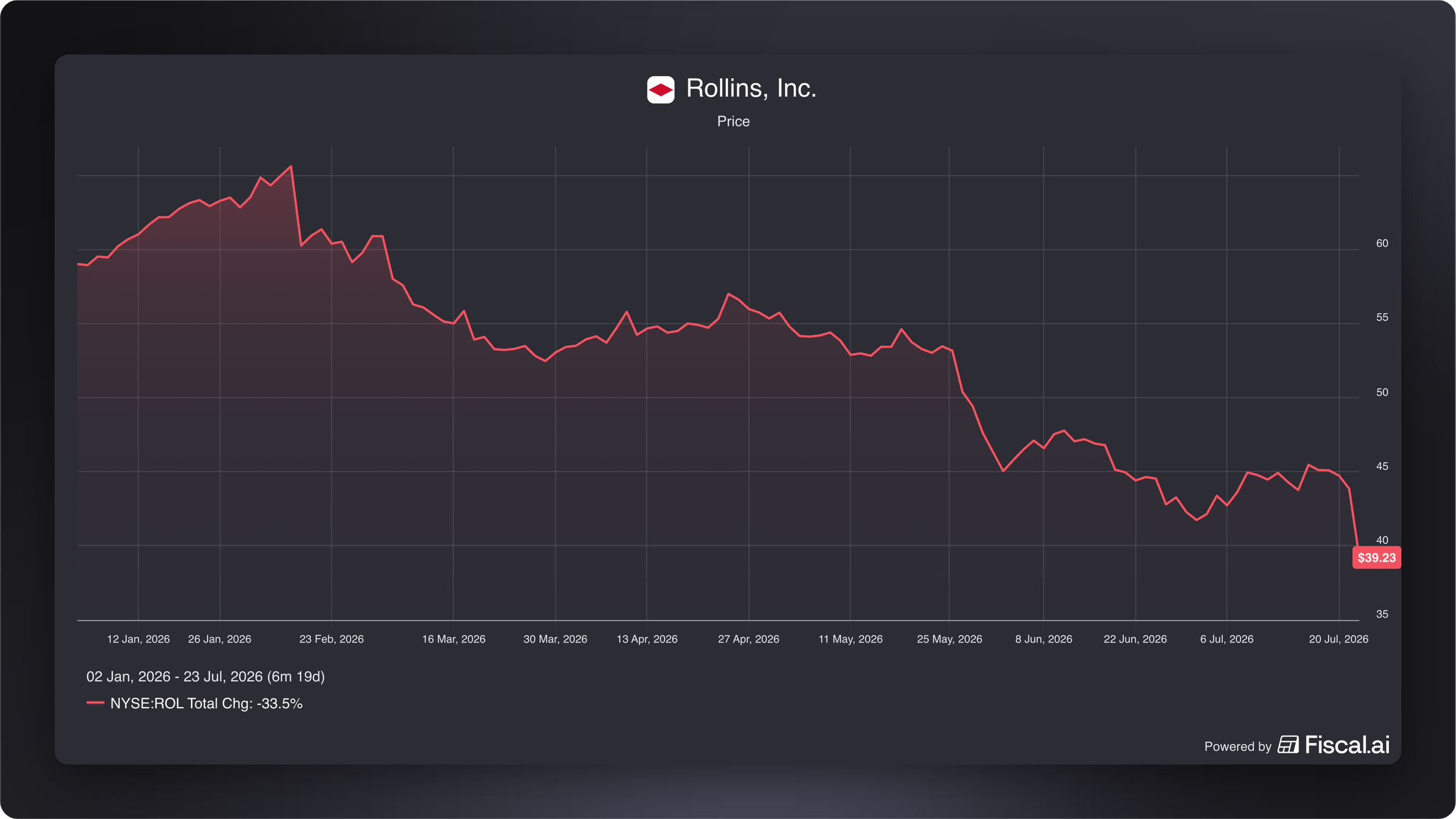
Well, despite growth in both the top and bottom line, the stock tanked about 10% in after-hours trading, sending the share price to just under $40. The last time Rollins traded this low was back at the end of 2023, and after yesterday's selloff, the stock is now down about 33% just this year.
Source: Fiscal.AI
At this point, you're probably thinking there has to be more to the story. I mean, in what world does a company report revenue growth, earnings growth, and still lose 10% of its value overnight?
The truth is that while the quarter wasn't bad, it just wasn't as good as investors expected.
Revenue growth was solid, but earnings growth was more sluggish. Plus, operating cash flow and free cash flow were both down around 1.5% compared to the same time last year.
And perhaps most importantly, management acknowledged that certain parts of the business weren’t operating at the levels they had hoped.
For starters, residential demand came in lower than expected. Apparently, fewer homeowners were reaching out for pest control through Google searches, digital advertising, and inbound phone calls.
Management also admitted that they staffed the business expecting a stronger spring and summer season. They had already shelled out money to hire more technicians in anticipation of higher demand, but the increase in demand never really materialized.
As a result, operating margins fell from 19.8% last year to 18.7% this quarter. To me, that's really what’s at the heart of the matter.
Like I said, the quarter wasn’t terrible by any means — it just wasn’t what the market or management was expecting. And when expectations are elevated, even a decent quarter can still be disappointing.
On the bright side, management said that residential lead volume started to pick back up toward the end of June and has continued to improve here in July, which is at least an encouraging sign that the slowdown may have been temporary.
The problem, though, is that Rollins has historically traded at a premium valuation, which means the market isn’t willing to give the company much room for error.
Even before yesterday's decline, the stock was still trading at around 35 times earnings despite already being down more than 20% year-to-date. And if it opens around where it’s sitting right now in after-hours (around $37.50), the P/E ratio should fall to around 30.
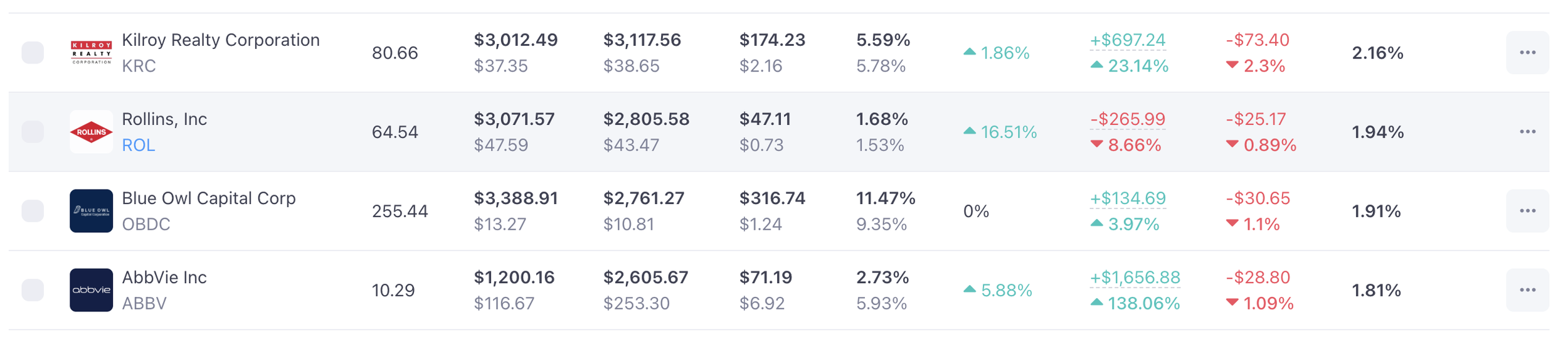
As a recent (and proud) shareholder of Rollins, I actually pointed to the company's premium valuation as the biggest risk to the investment when I first started buying shares around $50. I talk a bit more about that here, but that's why I've purposefully been taking my time to slowly build out the position.
Source: Snowball Analytics
Since my initial purchase, I've lowered my average cost from about $49.50 per share to just above $47.50, and this latest drop should allow me to bring my average down even more while buying shares at a higher dividend yield. That sounds like a win to me, especially since I was going to be buying more shares either way.
All in all, while this was definitely a mixed quarter, I don't see anything here that suggests permanent damage to the business. So long as that remains true, I’m happy to have the opportunity to buy a great business at a much better valuation.
With all of that said, I know many of you have been waiting for lower prices to initiate a position in Rollins, so I'd love to hear from you: After this recent drop, are you buying? Write to me here and let me know.
Dividend Investing Democratized
Join thousands of savvy investors in the pursuit of early retirement. Get Retire With Ryne delivered straight to your inbox every week as you build your perpetually growing, cash-flowing dividend stock portfolio.
IN MY PORTFOLIO 📈
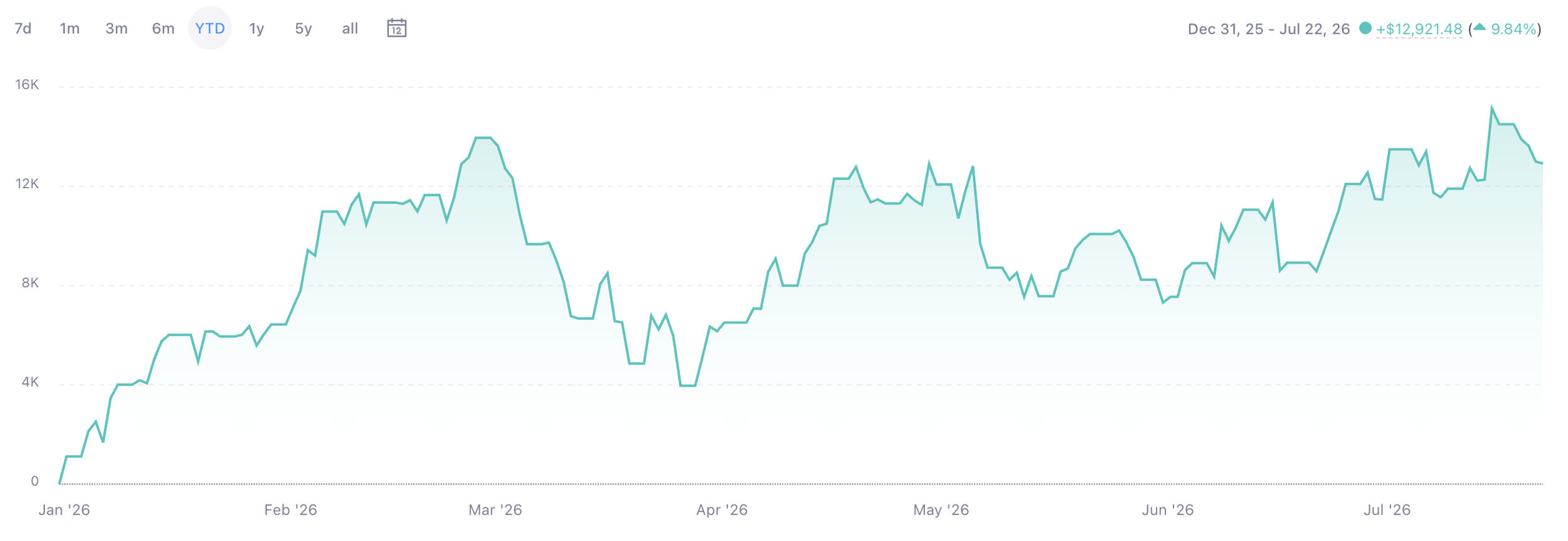
See my full portfolio with all of my holdings, trades, and dividends on Snowball Analytics! Plus, use code "rynewilliams" at checkout to get 10% off your subscription.
ICYMI 🎥
It's no surprise that a Disney vacation is expensive, but these people are taking it to a whole new level.
CAREFULLY CURATED 🔍
📺 Dividend Investing Still Works - Dividend investing doesn't get as much love as it used to, but PPC Ian's portfolio is proof that the strategy is far from dead.
🎧 Define Your Market - When people say "the market," they're usually talking about the S&P 500. But what if your investing goals have nothing to do with the S&P 500?
📚 Smells Like Money - One of the best pieces I've read in a while. Brian Bollinger from Simply Safe Dividends writes that while everyone is chasing AI, long-term dividend investors should stay focused on businesses with strong competitive advantages and consistent cash flows.
SINCE YOU ASKED 💬
"As a dividend investor, does the price of a stock really matter? I have some debt I'd like to pay off before I really start investing more aggressively, but watching stocks continue to climb gives me anxiety."
- Lawtv13 | YouTube
This is a pretty hotly debated topic in the dividend investing community, and like most matters in investing, there are two sides to the story.
On one hand, if you're buying a stock solely to collect the dividend and you never plan on selling your shares, then you could argue that the share price doesn't matter all that much. After all, a company pays the same dividend per share whether you bought the stock at $50 or $100.
That sounds reasonable in theory, but the reality is that life is unpredictable. You might plan to be a lifelong buy-and-hold investor, and you might plan on living entirely off your dividends in retirement. But plans change.
Maybe an unexpected expense comes along, and you need access to cash. Or maybe your expenses in retirement end up being higher than you thought, requiring you to sell a few shares here and there to supplement your dividend income.
This is one of the reasons capital appreciation is so important, even for dividend investors. Although your primary goal is to live off your dividends, you still want your investments to grow in value over time. The whole idea behind investing is to have your money work for you, not against you.
That's why valuation still matters. Being mindful of the price you're paying for a stock not only helps you lock in a higher starting yield, but also increases the odds that your money will appreciate over time if you ever need to tap into it.
Now, that doesn't mean you need to obsess over trying to perfectly time your purchases. If you wait forever for the lowest possible price, you might never invest at all. Nobody is able to consistently time the bottom.
Instead, I think the happy medium is to just dollar-cost average into the positions you want to own. Over time, you'll gradually build out your positions while naturally smoothing out your cost basis by buying through both the highs and the lows.
Also, regarding feeling anxious watching stocks get more expensive while you focus on paying down debt, try not to beat yourself up over it.
There will always be opportunities in the market, and I think you'll feel much better getting that debt off your shoulders. Once you're in a better position to start investing, you'll still have plenty of great compounding years ahead of you.
Have a question? Ask me here to see it featured in an upcoming newsletter.
LAST WORD 👋
If you haven’t already, you should check out my FREE Discord group. Think of it as one big group chat with over 3,500 dividend investors who are just as obsessed with this stuff as you are.
It’s a positive, no-drama community where people share their buys, sells, and dividend income, and talk stocks 24/7. Whether you’re just starting out or you’ve been at it for years, you’ll find people ready to answer questions, celebrate wins, and help you grow as an investor.
It’s totally free to join, and I think you’ll get a ton of value out of being part of the community.