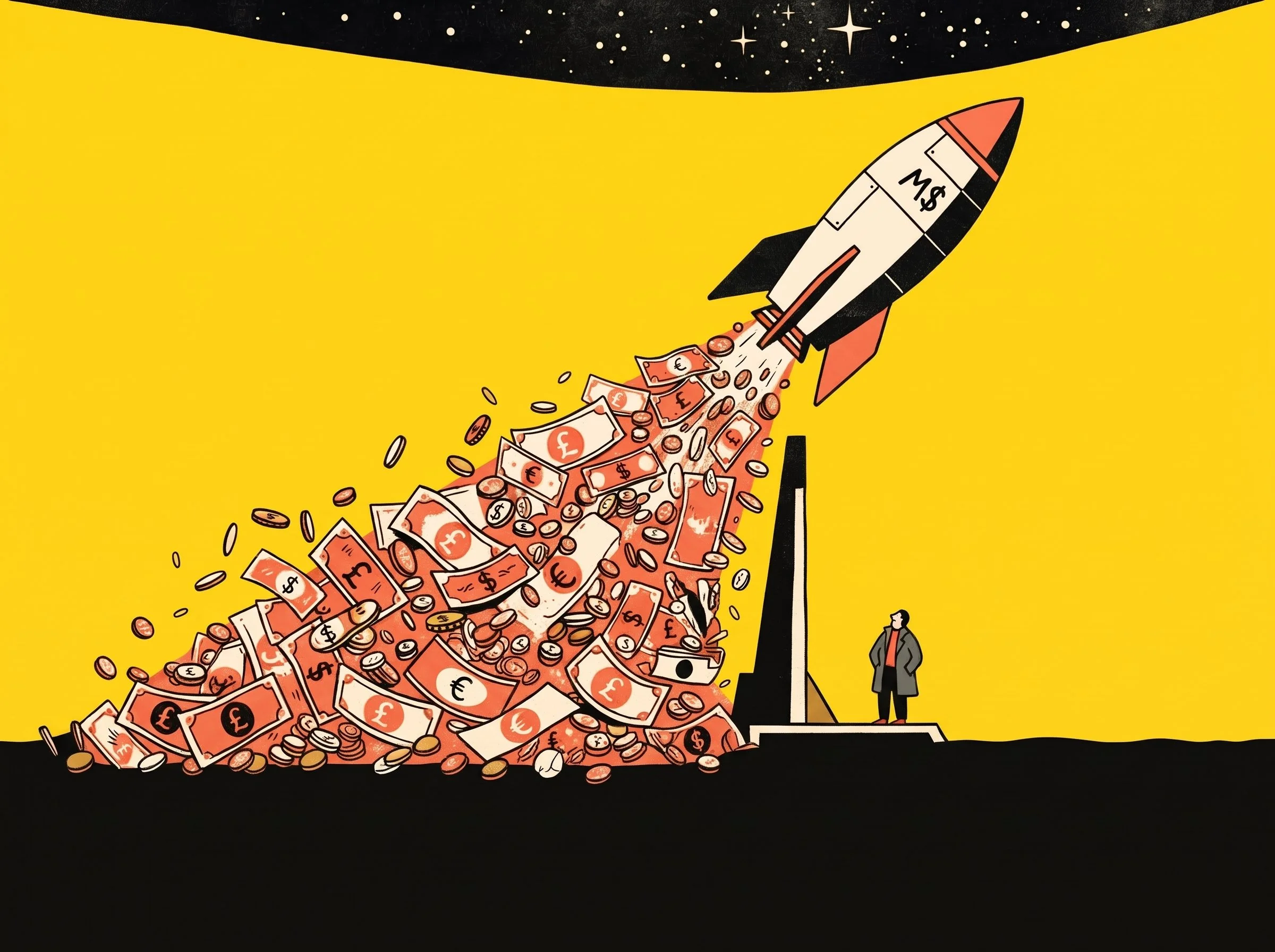
One of the Worst Investing Mistakes I’ve Ever Made
Disclaimer: This page contains some affiliate links that might just lead you to the promised land of awesomeness (or at least some cool products). I may receive commissions for purchases made through links in this post.
When it comes to dividend investing, there are a lot of ways to mess things up. Trust me — I know, because in the handful of years I’ve been doing this, I’ve made plenty of mistakes myself.
And while I typically like to write about the investing strategies that work, I think it’s just as important (if not more) to talk about what doesn’t, and in my case, one of the biggest mistakes I made early on was not taking advantage of retirement accounts — specifically a Roth IRA.
In case you’re unfamiliar with this type of account, the biggest benefit of a Roth IRA is that you don’t have to pay taxes on your profits or your dividends when you withdraw them in retirement.
The catch, of course, is that you generally can’t withdraw those gains without penalty until you’re 59½ years old, and that’s exactly why I opted not to open a Roth IRA early on in my investing journey.
You see, my plan has always been to use my dividends long before 59½. So in my head, I figured that locking money away in an account I can’t touch would detract from my early retirement goals.
Fortunately, it didn’t take me too long to come to the realization that that way of thinking was a mistake. About a year and a half into my investing journey, it finally clicked for me.
No matter when I start pulling dividends, someday — assuming no crazy life events — I will be 59½. And hopefully, I’ll live for a long time after that.
During that time, I’m going to want as much tax-free income and as many tax-free gains as I can possibly get my hands on. After all, why wouldn’t I?
So even though I plan to start pulling some dividends sooner than the Roth IRA’s withdrawal age, my future self will still benefit from building up this tax-advantaged account today.
Also, what I eventually realized is that taxable accounts and Roth IRAs actually complement each other really well. While a normal brokerage account gives you the flexibility to tap into your wealth whenever you want, a Roth IRA lets you eliminate what would otherwise be a huge tax burden later in life, when your portfolio, profits, and dividends are likely much larger.
In other words, they each have their own strengths. And the goal shouldn’t be choosing one or the other — it should be taking advantage of both.
With all of that said, now I want to hear from you: What’s one investing mistake that stands out to you most? Write to me here and let me know.
Dividend Investing Democratized
Join thousands of savvy investors in the pursuit of early retirement. Get Retire With Ryne delivered straight to your inbox every week as you build your perpetually growing, cash-flowing dividend stock portfolio.

I use Seeking Alpha every single day, and have done so for years now. It's my go-to website for everything related to stock research, and it's been essential in helping me become a better investor.
Whether I'm looking up dividend stats, reading the news, listening to earnings calls, or just want to find out what others are saying about a particular stock, Seeking Alpha has it all (for free), and the Premium version is even better.
The Premium version gives you unlimited access to Seeking Alpha's library of articles, personalized portfolio tracking tools, and a ton of other essential features for the dedicated dividend investor. You can see the full list of Premium features here.
Right now, Seeking Alpha is offering a 7-Day FREE Trial of their Premium platform so you can try it out risk-free. The best part is, if you end up loving it (which if you're like me, you definitely will), you'll automatically get $30 OFF of your annual subscription.
It's normally $299 for the year, but with the discount it comes out to $269. I've been using it for years, and have definitely found it to be worth the money.
If nothing else, it's at least worth checking out the 7-Day FREE Trial.
IN MY PORTFOLIO 📈
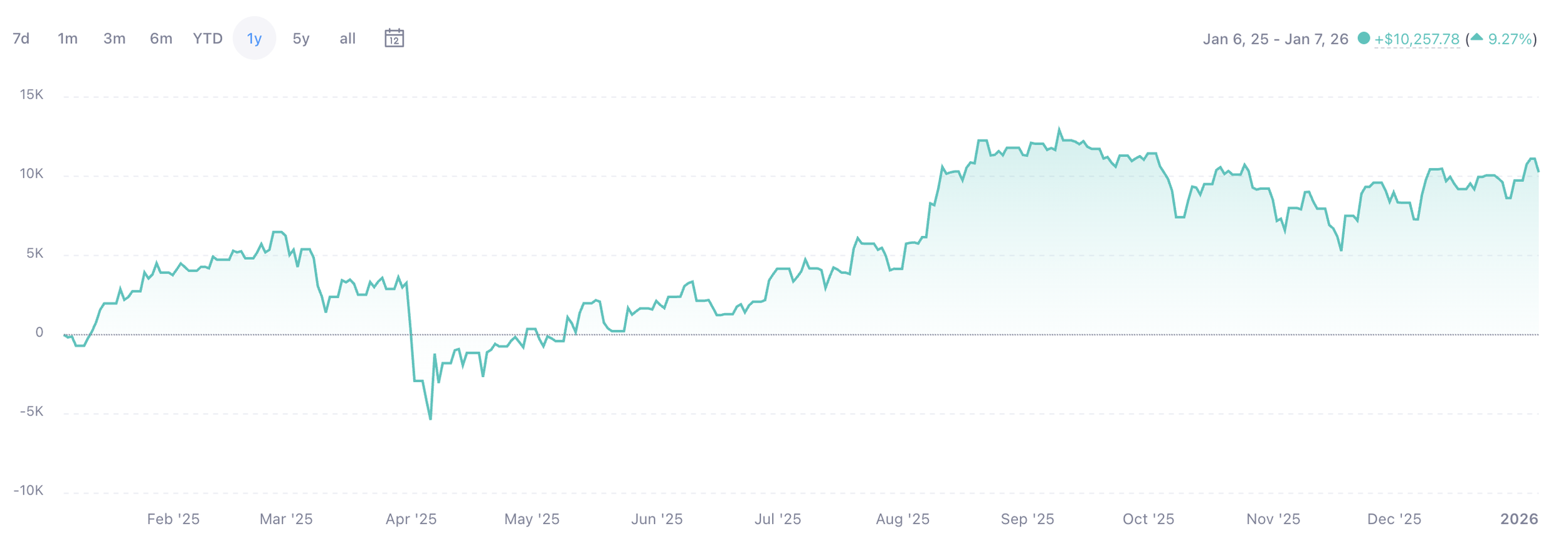
See my full portfolio with all of my holdings, trades, and dividends on Snowball Analytics! Plus, use code "rynewilliams" at checkout to get 10% off your subscription.
ICYMI 🎥
The HARD TRUTH About Income Investing
In this episode of The Deep End, we’re joined by Paul Santori for an honest conversation about the realities of income investing.
CAREFULLY CURATED 🔍
📺 Mindset Reset - A great reminder from Kevin Burgess that successful investing isn’t about being reactive — it’s about thinking clearer, longer-term, and more patiently than everyone else.
🎧 100-Year Thinking - Chris Mayer and Robert Hagstrom push back against the short-term noise we see today and unpack what it really means to think in decades, not quarters.
📚 Smart As A Rock - As we crank up our search for more powerful, lightning-fast AI, this Big Think article suggests we slow down and rethink what “smart” really means — resilience, adaptability, and longevity.
SINCE YOU ASKED 💬
“At what point does a dividend yield become suspiciously high?"
- Jack | YouTube
This is a great question, and there isn’t really a hard number where a dividend yield suddenly becomes “suspiciously high.”
To elaborate, a 5%, 6%, or even a 10%+ yield isn’t automatically a red flag on its own. Some types of businesses — like REITs, BDCs, or MLPs — are designed to pay out more of their cash flow to shareholders, so higher yields in those ranges naturally come with the territory.
Where a high yield might start to raise eyebrows is when it goes too far above a stock’s own historical average.
For example, if a company typically yields 2–3% and suddenly jumps to 4–5% or higher, that’s absolutely worth investigating. Most of the time, that kind of jump isn’t happening because the dividend per share went up — it’s happening because the share price saw a substantial drop, and you'll need to find out why.
Sometimes it's nothing, in which case a falling share price creates a great opportunity to lock in a higher-than-normal yield. Other times, the decline is happening because of an underlying issue in the business.
In other words, the yield itself isn’t the warning sign. The reason the yield is high is what actually matters.
Have a question? Ask me here to see it featured in an upcoming newsletter.
LAST WORD 👋
If you haven’t already, you should check out my FREE Discord group. Think of it as one big group chat with nearly 4,000 dividend investors who are just as obsessed with this stuff as you are.
It’s a positive, no-drama community where people share their buys, sells, and dividend income, and talk stocks 24/7. Whether you’re just starting out or you’ve been at it for years, you’ll find people ready to answer questions, celebrate wins, and help you grow as an investor.
It’s totally free to join — and I think you’ll get a ton of value out of being part of the community.